
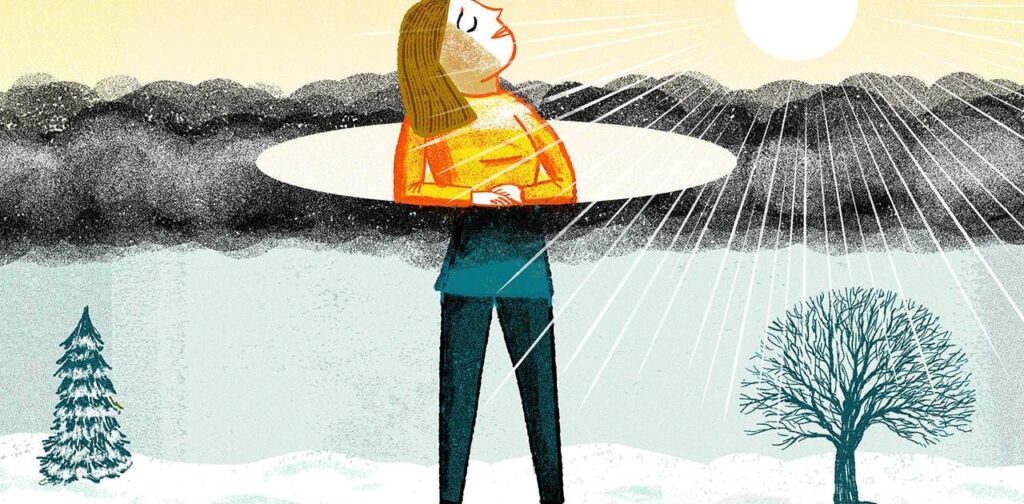
As the clocks go back and the days grow shorter, many of us notice a subtle but powerful shift – not just in the weather, but in how we feel.
The mornings are darker. The evenings arrive too soon. The light fades quickly, and with it, sometimes… so does our energy, motivation, and mood.
If you’ve been feeling more tired than usual, unmotivated, foggy, withdrawn, or low it might not just be work stress, burnout, or a bad week. You might be experiencing Seasonal Affective Disorder (SAD), a form of depression that is triggered by changes in seasons, especially the transition into autumn and winter.
You’re not alone. Millions of people around the world experience this seasonal mood shift and yet, many don’t realize what’s happening. The good news? Once you understand it, you can manage it. There are evidence-based tools and strategies to help you feel more balanced, grounded, and supported through the darker months.
What Is Seasonal Affective Disorder?
Seasonal Affective Disorder (SAD) is a type of depression that occurs at a specific time of year, most commonly in autumn and winter. It typically lifts in the spring and summer when light levels increase again.
SAD is more than just “winter blues” or a passing low mood. It can impact energy levels, sleep, concentration, relationships, productivity, and overall emotional well-being. For some, it’s mild and simply annoying. For others, it can feel debilitating.
In the UK, SAD tends to begin as early as October and can last well into March. That’s a long time to feel off-balance which is why awareness and early intervention matter.
Common Symptoms of SAD
While everyone experiences SAD a little differently, here are some of the most common signs to look out for:
- Low energy and persistent fatigue, even with enough sleep
- Difficulty concentrating or feeling mentally foggy
- Mood changes, including sadness, irritability, anxiety, or hopelessness
- Sleep changes, such as oversleeping or struggling to wake up
- Appetite changes, especially increased cravings for carbohydrates
- Loss of interest in activities that normally bring joy
- Withdrawal from social activities or a desire to “hibernate”
- Feeling heavy or slowed down, physically and emotionally
These symptoms typically begin in the autumn, worsen in winter, and improve with longer, sunnier days.
Why Does SAD Happen?
Our bodies and minds are deeply influenced by natural light. It plays a critical role in regulating mood, sleep, energy, and hormonal balance. When we lose access to sunlight – especially in northern climates – it can disrupt several key systems in the body.
Here are the primary biological factors thought to contribute to SAD:
1. Reduced Serotonin Production
Serotonin is a neurotransmitter often called the “feel-good” chemical. It contributes to emotional stability, focus, and a sense of well-being. Lack of sunlight may reduce serotonin levels, leading to low mood and symptoms of depression.
2. Disrupted Melatonin Levels
Melatonin is the hormone that helps regulate your sleep-wake cycle. Longer periods of darkness can cause your body to produce too much melatonin, making you feel sluggish, sleepy, and emotionally dulled.
3. Circadian Rhythm Disruption
Your internal body clock – also known as your circadian rhythm – relies on regular light cues to stay in sync. When light exposure changes drastically, your rhythm can fall out of alignment, leading to insomnia, fatigue, or changes in appetite and mood.
4. Vitamin D Deficiency
Sunlight is a key source of Vitamin D, which plays a role in mood regulation. In winter, people can become deficient, especially in northern latitudes, contributing to low mood and immune system issues.
Who Is Most at Risk?
While anyone can develop SAD, certain factors increase the likelihood:
- Living far from the equator, where daylight hours vary more dramatically
- Having a personal or family history of depression or bipolar disorder
- Being female – women are statistically more likely to experience SAD
- Being between the ages of 18 and 55, though it can affect anyone
- Working indoors or spending little time in natural daylight
That said, SAD is treatable, and no one has to simply endure it year after year.
What You Can Do to Manage SAD
The good news is that you don’t need to suffer in silence. There are several proven strategies and supportive practices that can significantly reduce the symptoms of Seasonal Affective Disorder.
Here’s how you can take care of yourself during the darker months:
☀️ 1. Prioritize Natural Light Exposure
Even a short amount of daylight can help regulate your mood and energy.
- Get outside in the morning hours, ideally within 30-60 minutes of waking.
- Take walks during your lunch break or spend time by a sunny window.
- Keep curtains open during the day and position your workspace near natural light if possible.
💡 2. Consider a Light Therapy Box
Light therapy is one of the most effective treatments for SAD. These devices mimic natural sunlight and are designed to stimulate the brain’s production of serotonin and regulate melatonin.
- Use a 10,000-lux lightbox for 20–30 minutes each morning.
- Make sure the box is UV-free and approved for therapeutic use.
- Consistency is key – daily use can bring significant improvement within 1–2 weeks.
One client of mine uses their light box regularly all year-round and swears by it. (Interestingly he also reports that it makes him more empathetic). For some, it’s not just seasonal – it’s become a daily mental health support.
🏃 3. Move Your Body
Exercise is one of the most powerful ways to lift mood, regulate your nervous system, and reduce symptoms of depression.
- Even low-intensity activity like walking, stretching, or yoga can help.
- If motivation is low, start small: 5 minutes a day, then build.
- Bonus points if you exercise outside in daylight hours.
🤝 4. Stay Connected — Even If You Don’t Feel Like It
Isolation often worsens the symptoms of SAD. Even light social contact can be protective for your mental health.
- Make gentle efforts to connect with a friend, loved one, or coworker.
- Join a group or class, even virtually, that aligns with your interests.
- If you’re struggling, consider speaking with a therapist or coach. You don’t have to navigate this alone.
🧠 5. Be Gentle With Yourself
This isn’t about “pushing through.” It’s about adapting with care.
- Honor your natural energy rhythms.
- Make space for rest without guilt.
- Practice self-compassion. Speak to yourself with kindness, not criticism.
- Reflect on what you need and give yourself permission to receive it.
Final Thoughts: You’re Not Broken – It’s the Season
If you’re struggling right now, let me say this clearly:
You are not broken.
Your system is responding to a very real environmental shift.
Your brain and body are doing their best to adapt.
And there is support, relief, and hope available.
You don’t need to white-knuckle your way through winter.
You don’t have to “snap out of it.”
You simply need tools, support, and compassion.
This season won’t last forever. And you won’t always feel this way.
But for now, take one small step. Whether it’s opening your blinds, stepping outside, texting a friend, or booking a session with a professional – let yourself be helped.
You deserve light even in the darkest months.
I help people heal, grow, and create the life they deserve. Ready to begin? Book a Free No-obligation Consultation now.
— O.S. Michael