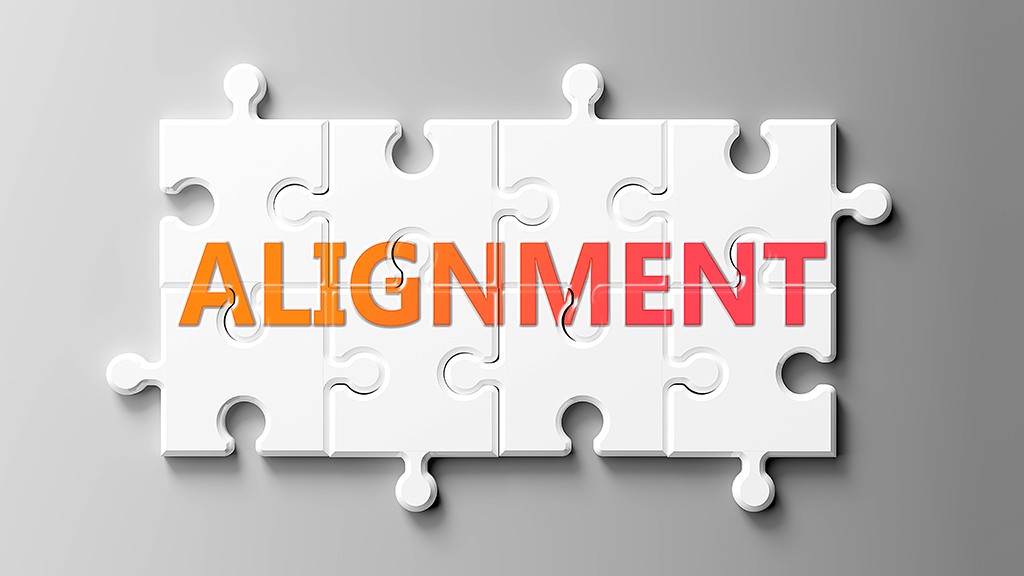
I’m often asked why I named this newsletter Aligned. It’s a simple word, but it holds deep meaning, both for the work I do and the change I invite others into.
For me, alignment isn’t a buzzword or a vague feel-good concept. It’s a powerful and necessary starting point.
If you’re looking for clarity, growth, healing, or meaningful change, there is one place to begin:
You must first find who you truly, authentically are – and align yourself with it.
Everything else flows from this.
The Problem: Living Out of Alignment
So many people today feel lost, stuck, or disconnected – not because they’re broken, lazy, or unmotivated, but because they’re living lives that were never truly theirs to begin with.
We absorb so much from the world around us.
From childhood, we learn:
- What’s acceptable and what’s not
- What makes us lovable
- What success should look like
- What paths are “safe” or “smart”
- Who we need to be in order to fit in
Without realising it, we adopt beliefs, behaviours, and identities that are handed down by parents, teachers, peers, culture, media – everyone but us.
And so, over time, we start living according to patterns that feel familiar, but not right.
We make choices that look good on the outside but feel hollow on the inside.
We build lives that function – maybe even flourish – but quietly lack meaning.
This is what it means to be out of alignment.
The Cost of Disconnection from Your True Self
Living out of alignment carries a heavy cost – emotionally, psychologically, spiritually.
When you’re not aligned with your true self, you might experience:
- A persistent sense of dissatisfaction or emptiness
- Difficulty making decisions that feel “right”
- A life that looks good but feels off
- Anxiety, burnout, or chronic stress
- Identity confusion or inner conflict
- The quiet grief of not knowing who you really are
This is the tragedy of the unexamined life:
We survive by becoming who we needed to be – but sometimes we forget to become who we truly are.
And for many, the decades pass this way.
Living by someone else’s script.
Making decisions based on survival, not authenticity.
Staying busy enough not to notice the subtle ache underneath.
The Good News: You Can Choose Differently
Here’s the truth:
You don’t have to keep living this way.
You can choose to come back to yourself.
To peel back the layers of conditioning.
To pause, reflect, and listen deeply.
To ask:
Who am I beneath the roles, expectations, and fears?
What do I truly want? What do I truly need?
This is the work of alignment. And it starts with self-honesty.
What Does It Mean to Be Aligned?
To be aligned means that your inner world matches your outer actions.
It means you live in a way that is congruent with your values, your truth, your sense of purpose.
Alignment is:
- Knowing who you are – and honouring that in how you live
- Saying yes when you mean yes, and no when you mean no
- Pursuing goals that are meaningful, not just marketable
- Letting go of roles that no longer fit
- Making peace with your past while building your future
- Feeling a sense of rightness, even if the road isn’t easy
It’s less about perfection and more about integrity – the integration of self.
In alignment, you don’t have to perform your life. You get to live it.
Alignment Is the Foundation of Good Decisions
We often want clarity about external choices – relationships, careers, moves, goals – but overlook the internal foundation required to make those choices well.
When you’re not aligned with your true self:
- You second-guess your decisions
- You chase validation or safety instead of meaning
- You follow what’s popular instead of what’s true
- You tolerate what drains you
- You confuse achievement with purpose
But when you are aligned:
- You trust your inner voice
- You say no with peace and yes with conviction
- You choose what expands you – even if it’s risky
- You let go of what’s “expected” and follow what’s true
So much anxiety, indecision, and frustration comes not from the complexity of life, but from the fact that we’re trying to make decisions from a self we don’t fully know or trust.
Alignment doesn’t guarantee that every choice will work out – but it does ensure that you’ll feel grounded in the choice you make.
Alignment Is Also the Goal — Not Just the Starting Point
It’s worth saying: alignment is not just a means to an end.
It is the end.
Even if you never hit your biggest goals…
Even if things don’t unfold the way you expected…
Even if others don’t understand the path you’ve chosen…
Living aligned with who you truly are is itself a form of success.
It brings:
- Peace
- Clarity
- Self-trust
- Meaning
- Coherence
- Freedom
External achievements can feel empty when we’re disconnected from ourselves. But even ordinary moments feel rich when they flow from deep inner congruence.
How to Begin the Work of Alignment
So how do you start aligning with your true self?
Not with a 10-point plan, but with honest reflection and small, courageous steps.
Here are some places to begin:
1. Slow Down and Create Space
You can’t hear your true voice over the noise of constant doing.
Pause. Reflect. Breathe.
Spend time in stillness – whether through journaling, walking, therapy, or meditation.
Let your inner world come into focus.
2. Examine What You’ve Inherited
Ask yourself:
- What beliefs did I inherit from others?
- Which ones no longer serve me?
- What rules am I following – and who wrote them?
Not everything you learned was wrong – but not everything was right either. Part of alignment is reclaiming authorship of your own story.
3. Notice What Feels Expansive vs. Contractive
Start paying attention to how people, choices, environments, and activities feel in your body:
- Does this energize me or drain me?
- Does this feel like truth or like performance?
- Am I doing this from love… or fear?
Your body knows. Let it guide you.
4. Define Your Core Values
What matters to you – really?
What do you stand for, and what will you no longer tolerate?
Get clear on your top values, and use them as your compass.
Alignment means letting your values lead your actions.
5. Start Saying No to What’s Not You
You can’t align your life with your truth while saying yes to things that don’t fit.
Letting go is hard – but necessary.
Every no creates space for a more powerful yes.
Final Thoughts: Alignment Is a Lifelong Practice
Alignment isn’t a one-time decision. It’s a daily practice.
You won’t always get it right. That’s okay.
There will be times when you forget, drift, or get pulled back into old roles.
But you can always return.
The work is to keep coming home to yourself.
To keep asking: Is this true? Is this mine? Does this reflect who I really am?
Because when you live from that place – even imperfectly – you create a life that’s not just impressive, but true.
And in a world full of noise, that is a radical act.
I help people heal, grow, and create the life they deserve. Ready to begin? Book a Free No-obligation Consultation now.
— O.S. Michael