Introduction: The Problem with Willpower
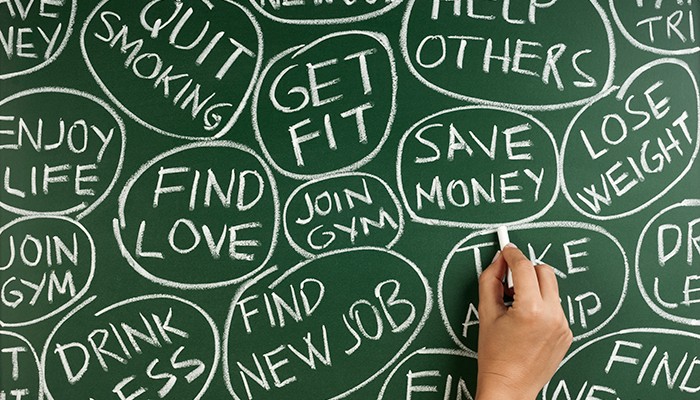
As we move deeper into January and many people are still clinging to their New Year’s resolutions, there’s one common strategy people rely on: willpower.
We love to celebrate it.
- Push through.
- Power on.
- Just try harder.
Willpower has been glamorised as the secret ingredient to success. But if your willpower has already failed you this month – you skipped the gym, broke your dry January promise, or abandoned that new morning routine – please don’t beat yourself up.
Here’s the truth:
Willpower doesn’t work.
At least, not for the long haul.
Why Willpower Fails
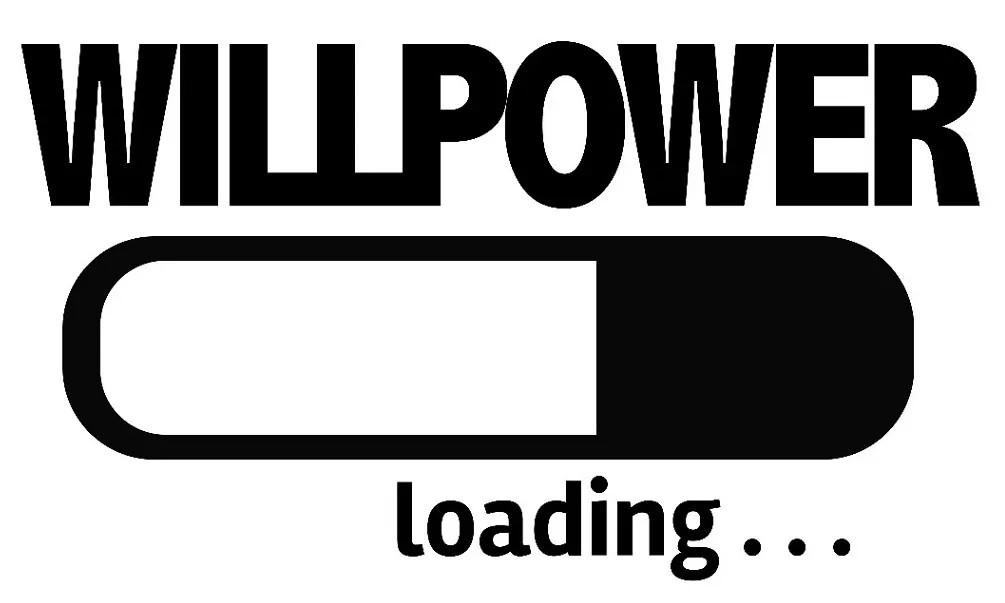
Willpower is like a battery. It might help you say no to chocolate cake once or twice, or get up early a few mornings in a row, but eventually? It drains.
Especially when:
- You’re stressed
- You’re tired
- Your routine is disrupted
- You’re emotionally overwhelmed
Willpower is finite. And when you rely on it as your main strategy for behavior change, you’re setting yourself up for frustration.
That’s why white-knuckling your way through change rarely lasts.
The Alternative: Drive
There is something that works consistently. Something deeper and more sustainable.
It’s called drive.
Where willpower is like a battery, drive is like a current – it keeps flowing because it’s connected to a source. That source? Meaning. Purpose. Alignment.
Drive taps into something that matters to you at a deep level. It’s not about discipline or force. It’s about desire. It’s about your values. It’s about the kind of person you want to be.
Willpower vs. Drive: What’s the Difference?
Let’s look at the contrast:
| Willpower | Drive |
|---|---|
| “I should do this.” | “This matters to me.” |
| Resists temptation | Moves toward meaning |
| Short-term battery | Long-term current |
| Drains under pressure | Sustains through challenges |
| Fueled by guilt or fear | Fueled by purpose or identity |
Why Drive Works (Even When Life Gets Messy)
Drive connects your external actions to your internal values.
When your behavior aligns with what you care deeply about, it stops feeling like a chore. You don’t need to force it. You’re not just gritting your teeth through another habit tracker.
Instead, you start to feel pulled forward. Even when it’s hard. Especially when it’s hard.
Because you’re no longer doing this just to meet a goal – you’re doing it because it expresses who you are.
This is where long-term change lives.
Find Your Drive: Ask Better Questions
Want to move from willpower to drive?
Start by asking more meaningful questions.
Instead of:
“How do I force myself to do this?”
Try:
“Why does this matter to me?”
Other powerful questions:
- Why did I choose this goal in the first place?
- What’s at stake if I don’t follow through?
- What kind of person am I becoming by showing up for this?
- Is this aligned with who I want to be – or am I chasing someone else’s version of success?
The clearer you are about why your goal matters, the easier it becomes to act in alignment with it.
Examples of Drive in Action
Let’s make this real. Here are two examples of how willpower and drive show up differently:
Example 1: Fitness Goal
- Willpower: “I have to go to the gym or I’ll feel like a failure.”
- Drive: “Moving my body helps me feel mentally clear, confident, and strong enough to lead my family and business.”
Example 2: Reducing Screen Time
- Willpower: “I shouldn’t scroll TikTok before bed.”
- Drive: “I want to wake up early and feel present with my kids in the morning.”
Notice the shift. One is rooted in pressure. The other is rooted in purpose.
Don’t Push – Get Pulled
So many of us try to push our way into new habits.
We tell ourselves we just need more discipline. More structure. More effort.
But change becomes much more sustainable when you’re pulled by something meaningful.
You don’t need to push harder. You need to connect deeper.
When you’re anchored in your why, consistency stops being a fight.
How to Build Drive (and Let Willpower Take a Back Seat)
If you want to move from force to flow, here are a few ways to build true drive:
1. Clarify Your Values
What do you care about most in life? Health? Freedom? Connection? Contribution?
Link your goals directly to these values.
2. Visualize the Bigger Picture
Don’t just think about the task. Think about the impact. Who will benefit if you follow through?
3. Use Identity-Based Goals
Instead of saying “I want to lose weight,” say “I’m becoming someone who takes care of my body.”
4. Create Meaningful Rituals
Small actions feel more powerful when they’re tied to purpose. For example, journaling each morning as a way to ground your intentions.
5. Track Progress with Purpose, Not Pressure
Don’t just tick boxes. Reflect on how each action is building the life you want.
Final Thought: Choose Meaning Over Pressure
You don’t need to shame yourself into change. You don’t need to push through exhaustion or fake motivation.
You just need to remember why it matters.
Let that be your fuel.
Because when your actions are driven by meaning, you don’t burn out. You build.
And that’s the kind of change that lasts.
I help people heal, grow, and create the life they deserve. Ready to begin? Book a Free No-obligation Consultation now.
— O.S. Michael